Reasons Why Rekeying Your Locks Matters: Insights from Professionals and Nearby Services You Can Count On!
Rekeying locks plays an essential role in strengthening the security of your home. This becomes especially critical following considerable life changes, such as moving or experiencing a breakup. This method invalidates previously used keys, preventing unwanted individuals from entering your home. Understanding when and how to rekey your locks can greatly impact your safety. However, not every rekeying service offers the same level of quality. Selecting the appropriate service for your needs can truly change the outcome.
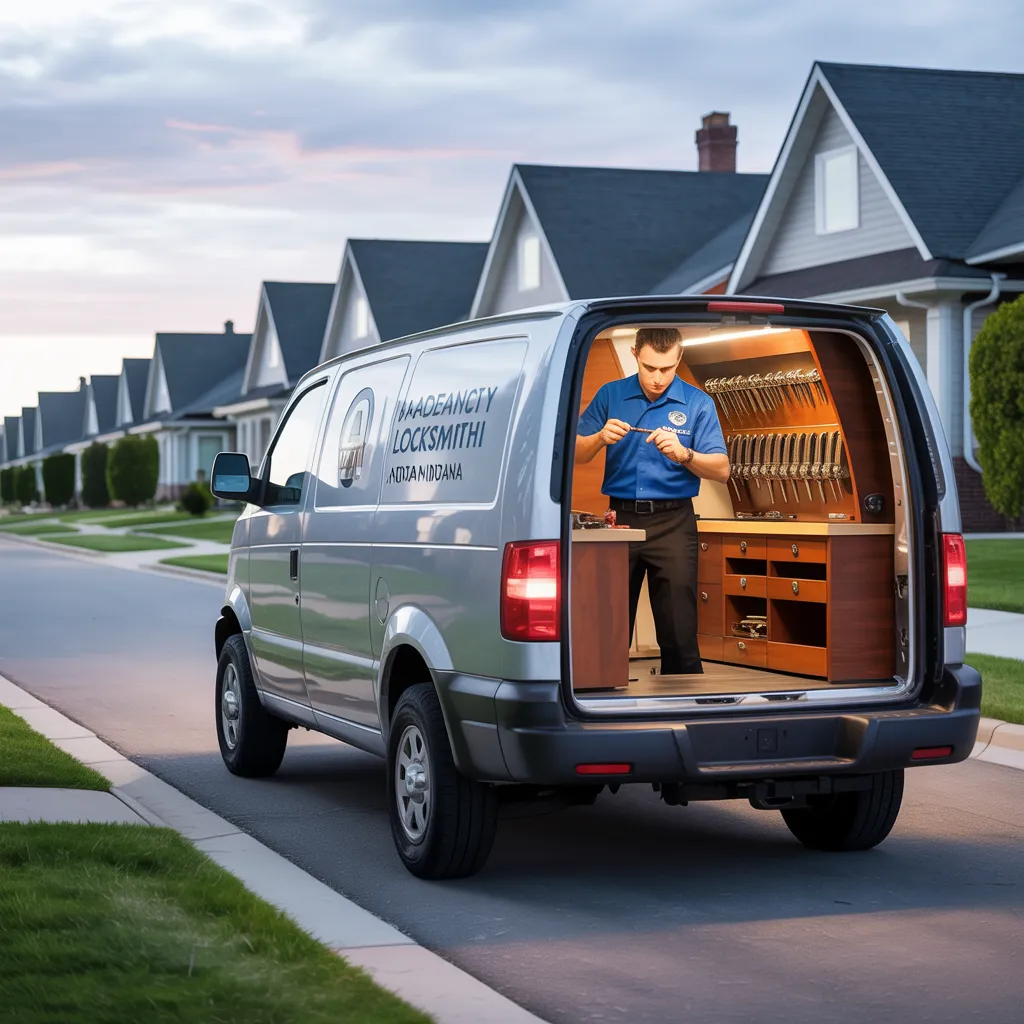
Why Rekeying Plays a Key Role in Your Home's Security
Rekeying is essential for strengthening a home's protection, especially when there are concerns about unauthorized access. This method includes modifying the internal components of a lock, invalidating existing keys while offering new keys that operate flawlessly. Homeowners often find themselves in situations where previous keys may be in circulation, such as after a move or following a key loss. By having the locks rekeyed, they guarantee that only trusted individuals retain access to their property.
Furthermore, rekeying serves as an affordable option compared to replacing whole lock systems. It not only boosts security but also provides peace of mind. Skilled locksmiths can efficiently complete this task, typically within one appointment. Regular rekeying can be part of a homeowner's safety routine, adapting to changes in living arrangements or security needs. In the end, emphasizing rekeying adds significantly to a home's comprehensive security plan.
When You Should Consider Rekeying Your Locks
There are several circumstances in which homeowners should consider rekeying their locks to ensure security. One common scenario is when they move into a new home; previous occupants may still have access. Similarly, after a divorce or breakup, rekeying can help guarantee that an ex-partner cannot enter the property. Additionally, if a key is lost or stolen, it poses a significant security risk, making rekeying a prudent choice.
For homeowners experiencing repeated lockouts or noticing wear in their lock mechanisms, rekeying may prove to be a practical solution. Property owners might consider rekeying as part of regular security improvements, especially if they have invested in new security technologies. Additionally, when there is worry about keys being copied without permission, rekeying offers a reliable sense of security. By responding to these issues without delay, homeowners can strengthen their home security and safeguard their property with confidence.
Understanding How Rekeying Works: A Simple Overview
Altering the inner mechanisms of a lock can dramatically enhance security without the need for a full replacement. The rekeying process involves modifying the lock's internal pins and springs to produce a new key that works the lock while rendering the old key useless. This process begins by taking apart the lock cylinder, where the existing pins are removed and replaced with new ones of different lengths. Each pin corresponds to a specific height on the new key. After reassembly, the lock will only function with the freshly cut key. The whole process generally requires less time than a full lock replacement and is frequently more economical. Additionally, rekeying allows homeowners to maintain their current locks while improving security, particularly after misplacing a key or relocating to a new residence. This solution delivers peace of mind without the financial burden and effort of entirely replacing a lock.
How to Select the Best Rekeying Service
Picking the ideal rekeying professional can considerably influence the efficiency and consistency of the security improvement. When choosing a service, it is vital to assess the professional's credibility. Reading online reviews and gathering referrals from reputable individuals can help identify dependable experts.
Additionally, verifying the credentials and experience of the locksmith is essential. A certified and insured locksmith usually provides a greater standard of service. It is equally important to learn about the methods and equipment they use, as current practices can enhance security.
Clear and upfront pricing is also a key consideration; a reliable company will deliver honest estimates free of unexpected costs. Additionally, consider the accessibility of the provider. A provider with adaptable availability can respond to emergency situations efficiently. By considering these standards, homeowners can make a confident selection, guaranteeing their rekeying concerns are resolved thoroughly and reliably.
What You Can Expect When Paying for Rekeying
When evaluating the cost of rekeying locks, people should be aware of the numerous elements that affect rates. These may involve the sophistication of the lock design and the local service options accessible. Understanding these elements will assist in making an informed decision and managing expectations about pricing.
Understanding Rekeying Costs
Understanding the pricing involved in rekeying locks is crucial for homeowners who prioritize convenience and security. Typically, rekeying services are priced between $20 to $50 per lock, based on the service provider and location. This cost may rise if more locks need to be rekeyed or if complex locking mechanisms are included. Property owners should also account for potential travel fees if the locksmith is expected to cover a considerable distance. While certain homeowners may prefer DIY rekeying kits, enlisting a trained expert ensures the job is performed with precision and care. At the end of the day, choosing professional rekeying services not only enhances security but also delivers confidence, making it a valuable investment for all residents.
Factors Affecting Pricing
Several factors influence the pricing of rekeying locks, making it critical for homeowners to be aware of what to expect. Initially, the kind of lock plays a crucial role; advanced security locks often necessitate specialized tools and expertise, leading to greater pricing. Additionally, the quantity of locks requiring rekeying has a direct impact on the final expense; rekeying several locks often leads to discounted rates. Labor costs can vary based on the provider and regional area, with city locations generally having higher rates. In addition, if extra services, such as emergency or off-hours assistance, are necessary, these can further increase expenses. Residents should collect quotes and take these elements into account to plan financially for lock rekeying services.
Community Service Alternatives
Local service options for rekeying locks can vary considerably, providing homeowners with a range of choices tailored to their needs. Many local locksmiths supply traveling services, enabling professionals to visit the home directly. This benefit commonly encompasses same-day appointments, which can be essential for urgent situations. Costs can vary based on the intricacy of the locks and how many keys are required. Homeowners should expect transparent estimates before work begins, typically featuring an itemized list of labor and parts. It is recommended to verify community feedback and credentials to confirm trustworthiness. Furthermore, certain home improvement shops provide rekeying as another option, which might be more affordable for those who prefer hands-on home improvement work.

Leading Local Rekeying Services Close to You
Securing trustworthy rekeying services can substantially boost home security. Community locksmiths frequently offer tailored rekeying services that address diverse requirements, from residential properties to commercial establishments. It is essential to consider client feedback and ratings to find reliable experts.
A large number of communities have locksmiths on call around the clock, providing quick access to professional rekeying assistance in urgent situations. Several trusted providers provide mobile services, allowing technicians to respond to the customer's address without delay. Moreover, nearby hardware retailers may carry rekeying kits for DIY enthusiasts, though hiring a trained technician is suggested for optimal outcomes.
Furthermore, word-of-mouth referrals can help in finding lesser-known professionals that may not market themselves extensively. By reviewing potential candidates and looking for seasoned locksmith specialists, residents can confirm their security rekeying needs are handled properly and thoroughly. Pursuing these actions can lead to improved peace of mind concerning household safety.
Commonly Asked Questions
Can I Rekey My Locks Myself, or Should I Hire a Professional?
Rekeying a lock is something individuals with experience in the process can attempt, but enlisting the help of a professional ensures the job is done examination correctly and securely. Evaluating one's abilities against the possible risks frequently results in improved outcomes when professional help is sought.
What Is the Typical Duration of the Rekeying Process?
The rekeying process usually takes about 15 to 30 minutes per lock, depending on the technician's experience and the complexity of the lock. A professional can guarantee precise and efficient service, reducing the likelihood of issues during the process.
Can Rekeying My Locks Invalidate Any Warranties?
Rekeying your locks usually does not invalidate warranties, as most manufacturers allow this process. However, it's advisable to review specific warranty terms or reach out to the manufacturer to guarantee compliance and avoid unintentional issues.
Which Tools Do Professionals Use When Rekeying Locks?
Professionals commonly employ tools including a lock rekeying kit, a set of screwdrivers, pliers, and a cylinder plug follower. These tools facilitate breaking down the lock components, swapping out the pins, and ensuring proper functionality after the rekeying process is complete.
How Frequently Should I Think About Rekeying My Locks?
Security specialists suggest changing lock combinations every few years or immediately after losing a key, relocating to a new property, or facing a security incident. Routine lock rekeying enhances safety and guarantees solely permitted persons have access to the premises.